
2026-08-20 · Jake Harlan
How to Thaw Frozen Pipes Safely in Boise Winters
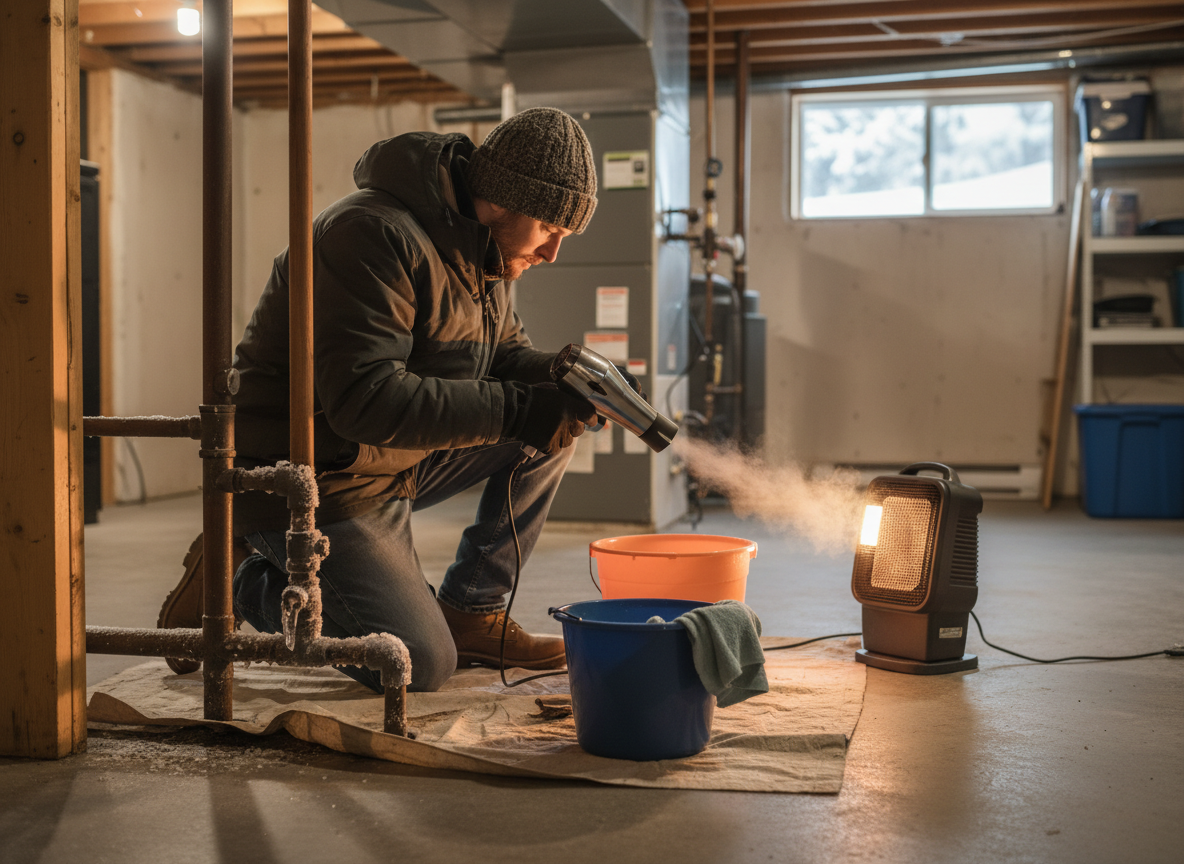
Thawing frozen pipes in Boise winters takes 30-60 minutes when using controlled heat sources like hair dryers or heat tape on exposed lines in crawl spaces or exterior walls. Start by locating the freeze, often near the Boise River Greenbelt where cold air settles or in unheated basements common in North End and East End homes built before 1970. Apply heat gradually from the faucet end toward the blockage while keeping a nearby faucet open to monitor flow. Avoid torches or open flames that can melt solder joints in copper lines prevalent in Ada County housing stock.
Identifying Signs of Frozen Pipes
Listen for reduced water pressure or no flow from faucets after overnight lows dip below 20°F, which happens regularly in Boise's four distinct seasons. Check exposed pipes under sinks, in garages, or along the Boise Bench where wind chill accelerates freezing in older galvanized steel lines. Inspect for bulging sections or frost on the exterior, particularly in Downtown Boise apartments and single-family homes with limited insulation. Early detection prevents bursts that send water into walls, a common issue after heavy snow accumulation around Julia Davis Park properties.
Preparing Your Home Before Thawing
Shut off the main water valve if pressure drops suddenly to limit potential flooding once flow returns. Open all faucets slightly in affected zones like kitchens and bathrooms to relieve pressure as ice melts. Gather supplies including towels, a bucket, and a hair dryer rated for continuous use, since portable heaters work well in West Boise homes with slab foundations that retain cold from the ground. Verify that electrical outlets near the work area function, as many East End residences have older wiring that may need extension cords rated for damp conditions.
Step-by-Step Thawing Techniques
Begin at the closest faucet to the suspected freeze and work outward with a hair dryer on medium setting, moving steadily along the pipe for even warming. Wrap heat tape around stubborn sections if the line runs along exterior walls facing Bogus Basin winds, setting the tape to 40-50°F output. For pipes under sinks, place a space heater in the cabinet with the door open while monitoring temperature to avoid overheating fixtures. Run warm water through the system once flow starts, flushing any remaining ice particles toward the drain. Repeat the process on multiple lines if the home has separate branches feeding the Boise Art Museum area neighborhoods.
Preventing Future Freezes in Boise Winters
Insulate exposed pipes with foam sleeves rated for temperatures down to 0°F, focusing on crawl spaces and attic lines in Harris Ranch developments where newer builds still have vulnerable exterior routing. Keep cabinet doors open under sinks during cold snaps to allow household heat to circulate around plumbing. Disconnect and drain garden hoses before the first snowfall, then install frost-proof sillcocks on Meridian and Nampa properties that share similar winter patterns. Maintain indoor temperatures above 55°F even when away, as Garden City rentals often see pipe issues when owners lower thermostats too far.
Knowing When Professional Help Is Needed
Contact a plumber if thawing attempts exceed two hours without results or if multiple fixtures remain blocked, signaling a deeper freeze in main supply lines. Burst pipes require immediate shutdown and extraction of standing water to protect flooring in North End Victorians. Emergency plumbing teams handle these calls during business hours and can assess whether pipe repair is necessary after the thaw. For homes with recurring issues, review what Boise homeowners should know about slab leaks to understand how frozen lines interact with foundation movement in Ada County soil.